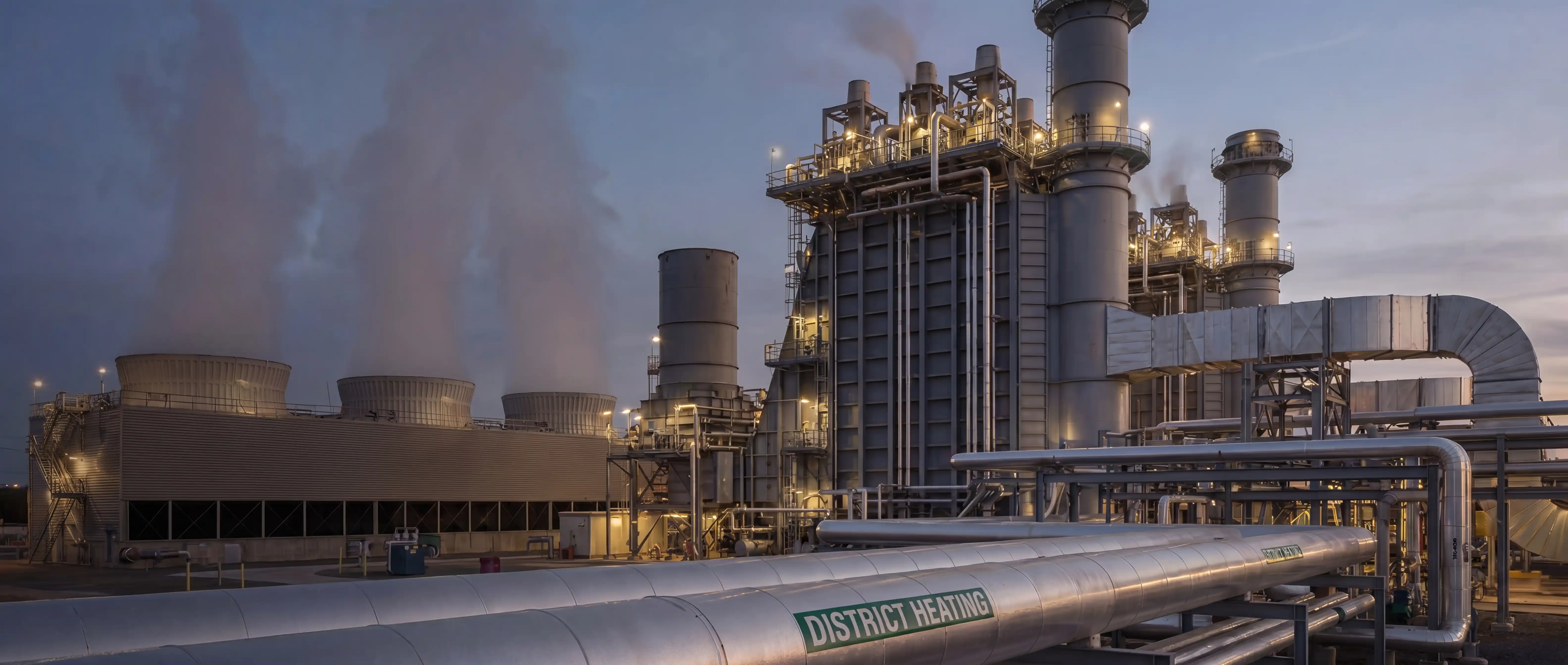
Power generation facilities discharge significant quantities of low-temperature thermal energy through boiler exhaust systems. However, acid dew-point corrosion and high-humidity flue gas conditions often limit the recovery depth and reliability of conventional heat exchangers.
Fluoroplastic-steel systems enable deeper heat recovery while maintaining stable long-term operation under corrosive operating conditions.
Recover low-grade thermal energy from boiler exhaust gas.
Operate reliably under high-humidity flue gas conditions.

Transfer recovered heat to municipal heating networks.
Improve thermal efficiency and reduce energy loss.
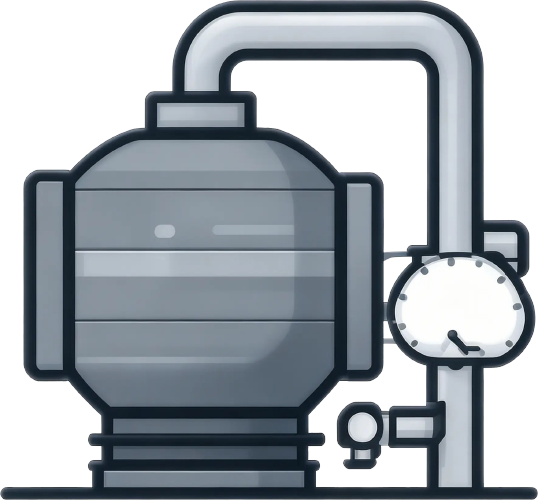
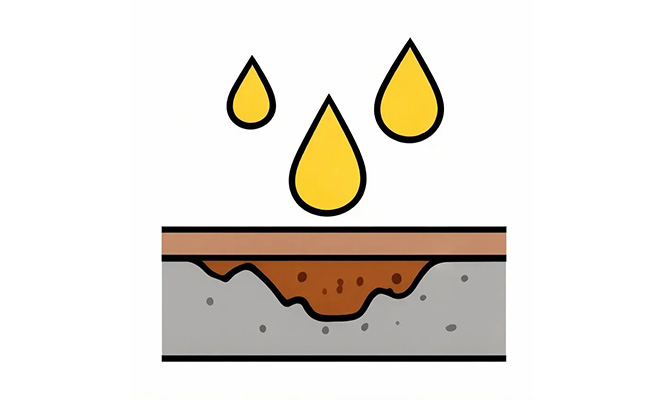
Acidic condensate rapidly damages conventional heat exchangers.
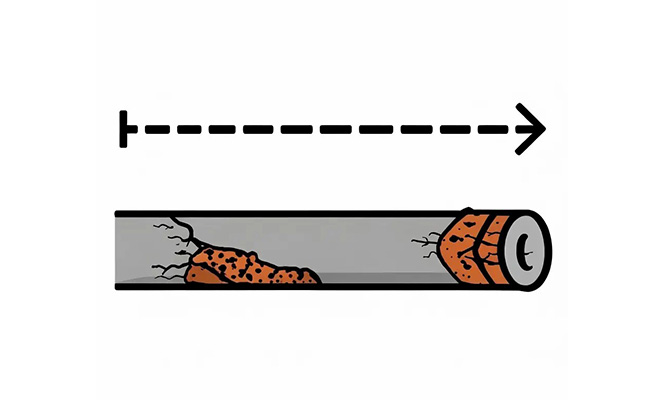
Large quantities of usable thermal energy remain unrecovered.
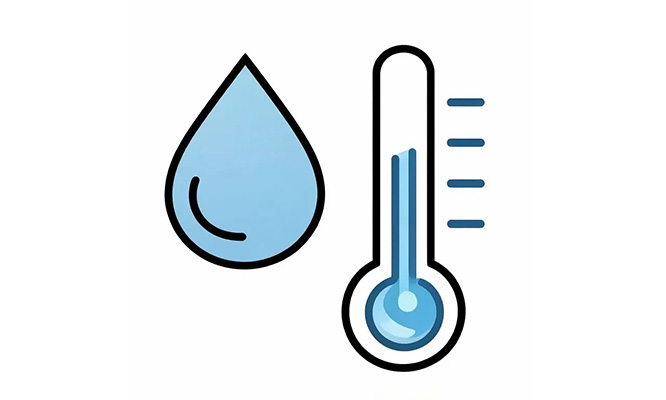
Continuous moisture exposure accelerates equipment degradation.

Frequent replacement increases operational costs.
Deep low-temperature waste heat recovery.
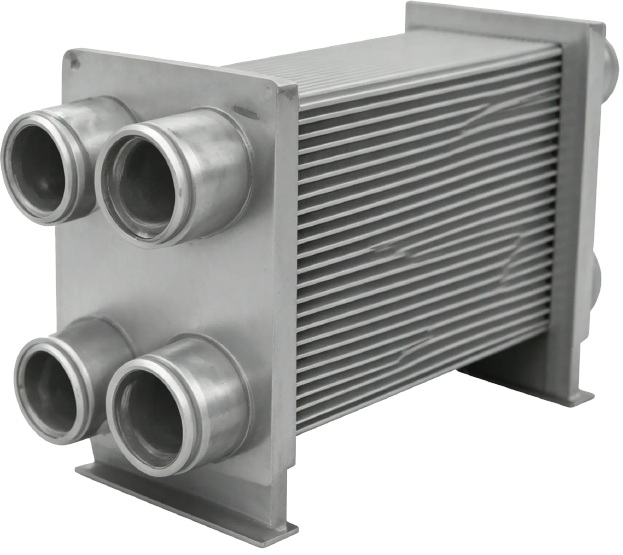
Recover latent heat from humid flue gas streams.
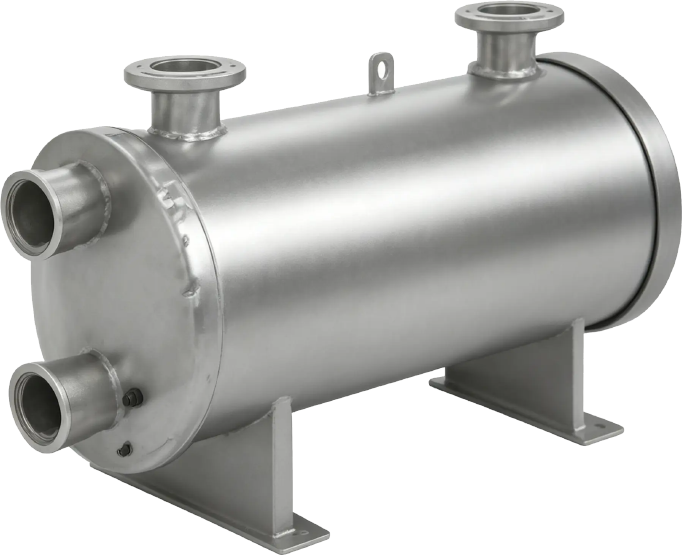
Improve combustion efficiency and thermal utilization.
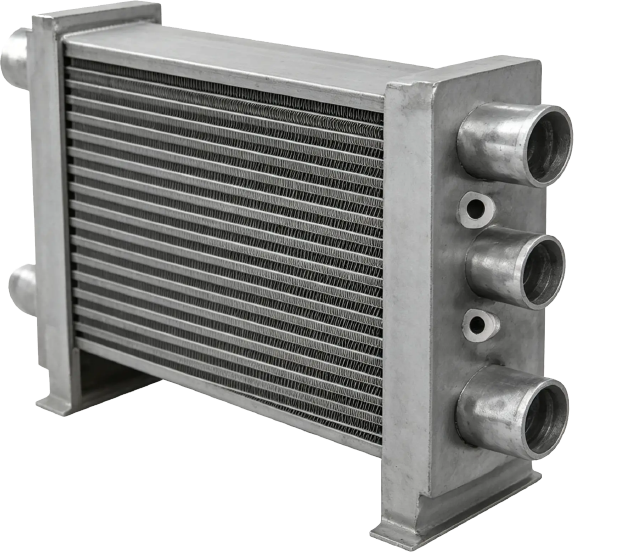
Support plant utility and district heating systems.
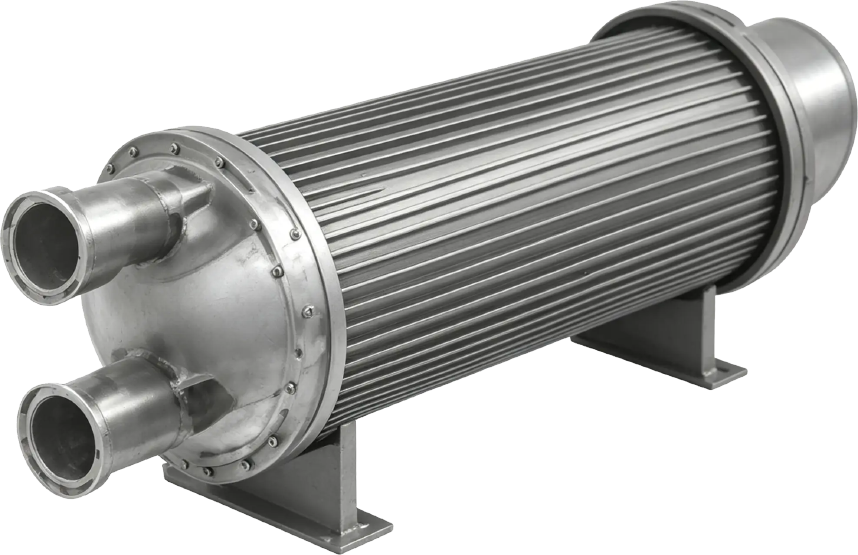

Reliable operation below conventional temperature limits.

Recover more thermal energy from exhaust gas streams.
Reduce maintenance frequency and replacement costs.

Maintain efficiency under demanding operating conditions.

Recover valuable thermal energy previously discharged to atmosphere.

Lower fuel consumption through improved heat utilization.

Convert recovered heat into usable energy for external networks.