THE CHALLENGE

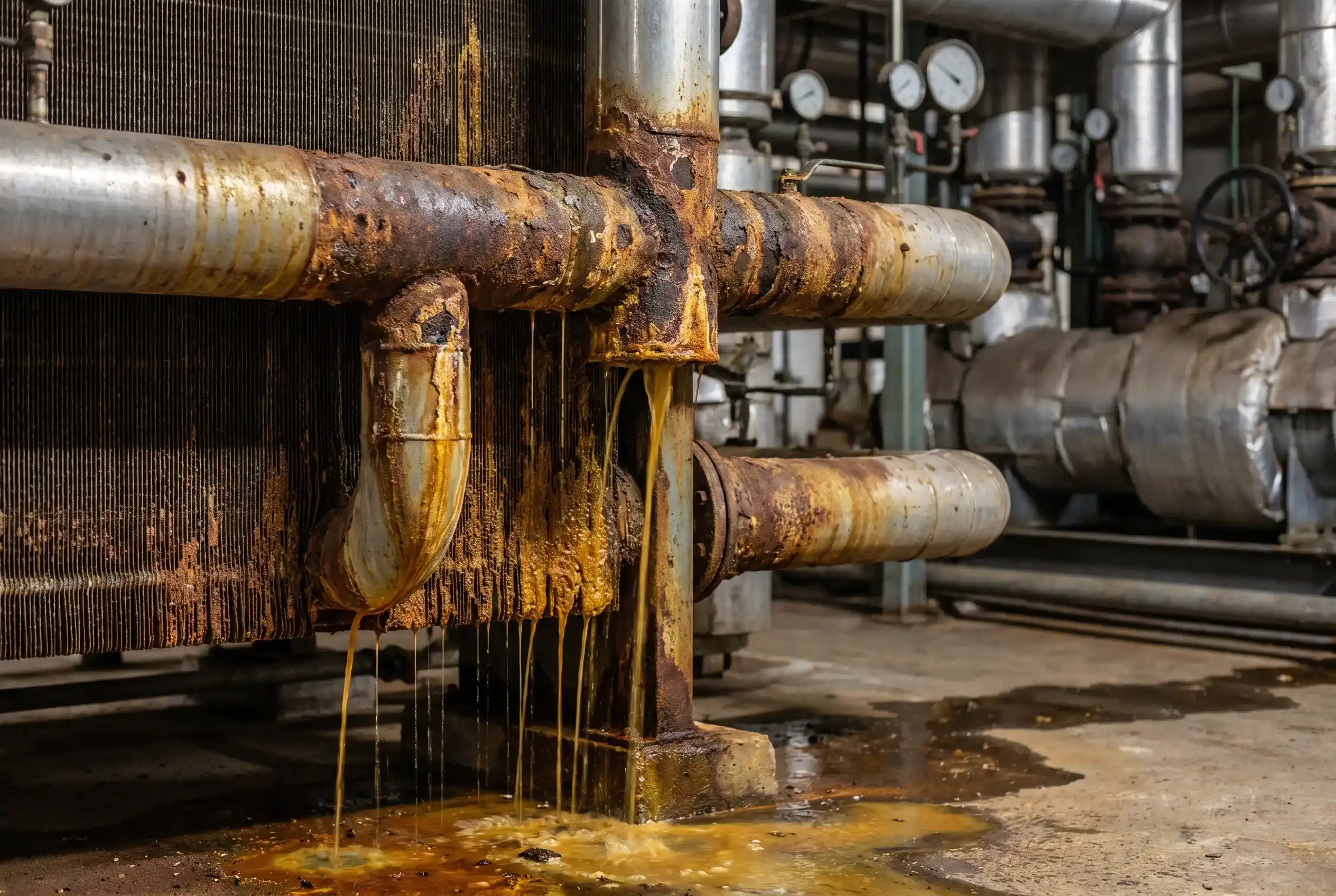
Why Conventional Heat Exchangers Fail

Many low-temperature heat recovery applications operate near or below the acid dew point, where acidic condensate forms on heat transfer surfaces.


  • ● Acid Dew Point Corrosion
  • ● Sulfuric Acid Condensation
  • ● Frequent Equipment Replacement
  • ● Reduced Heat Recovery Capability
THE CHALLENGE

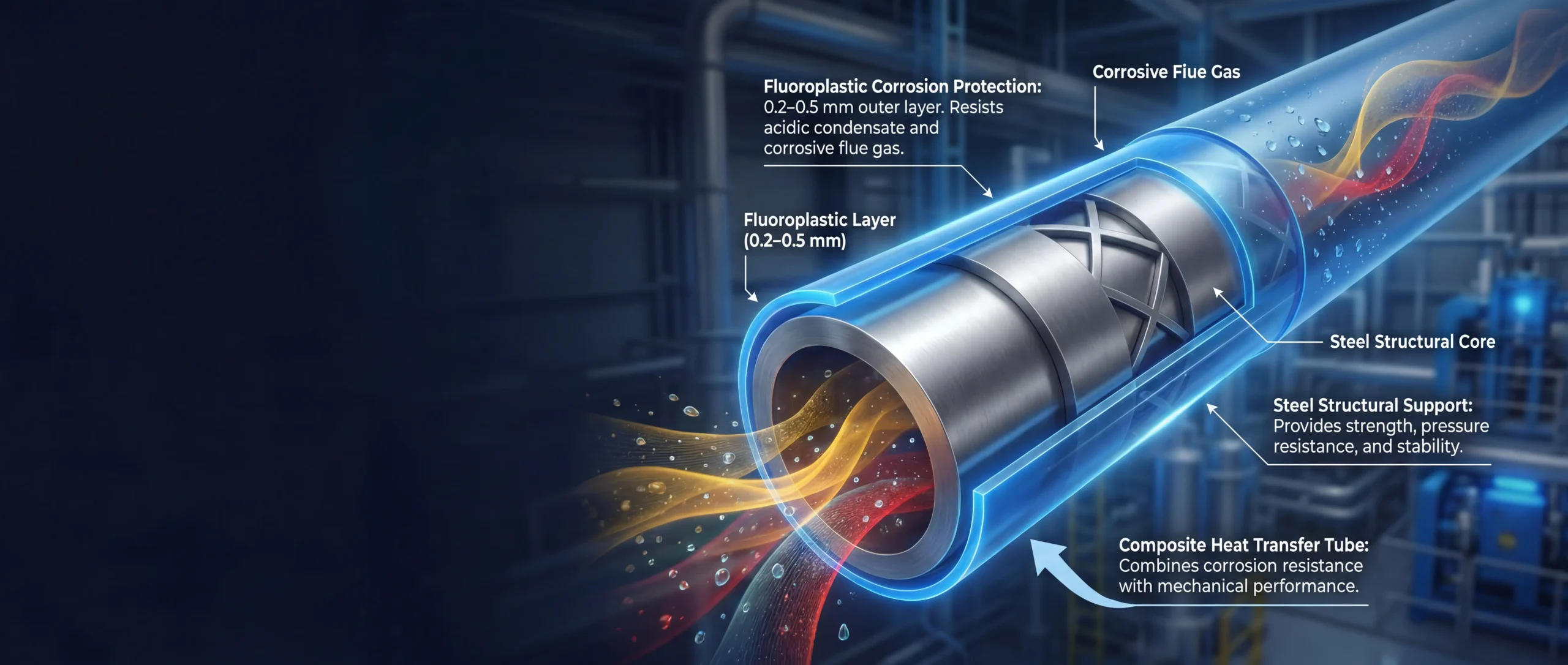
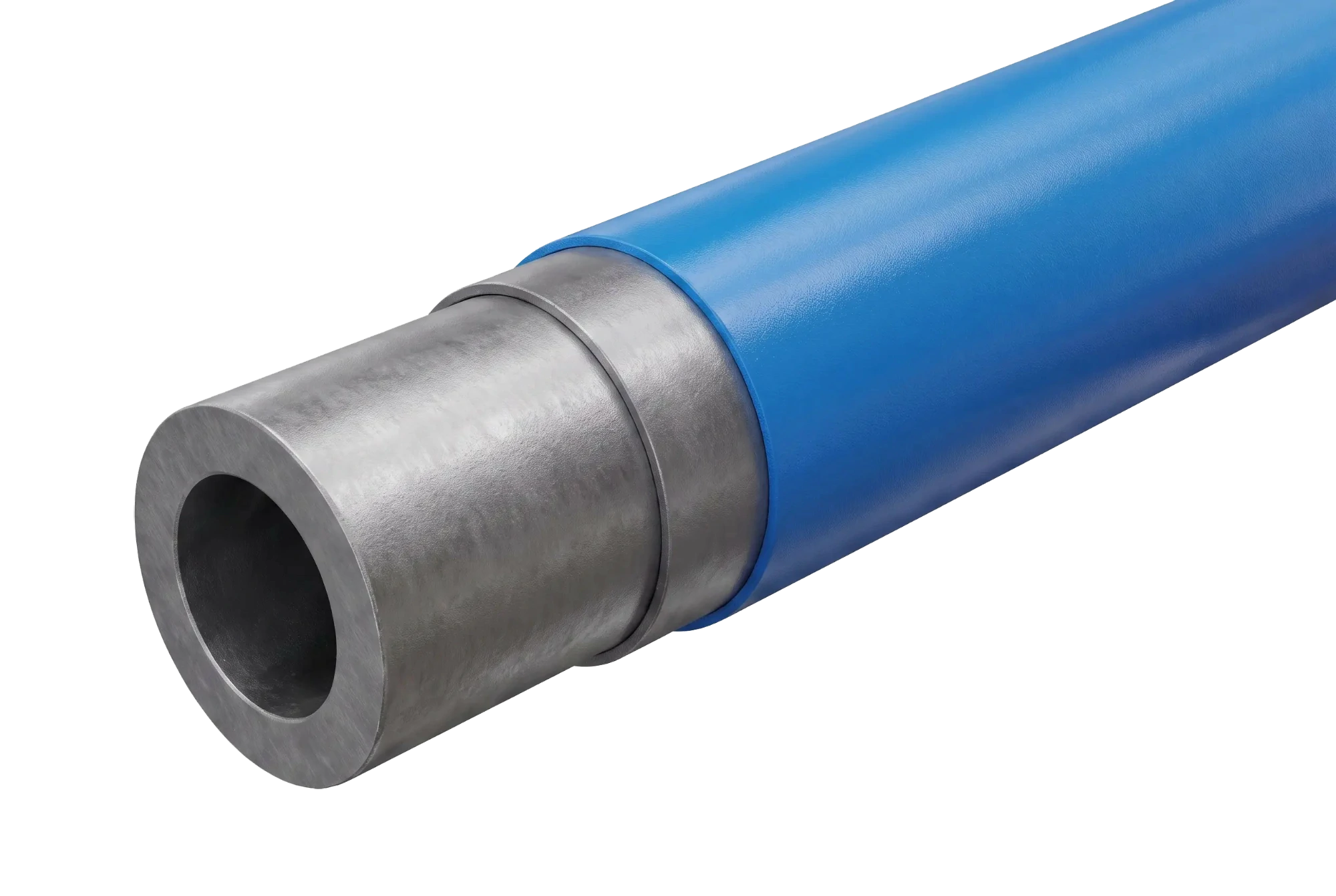
Fluoroplastic Layer

Provides exceptional resistance to acidic condensate, sulfur compounds, chlorides, and other corrosive media.


Steel Structure

Provides mechanical strength, pressure resistance, and structural stability for industrial operation.
HOW IT WORKS

Heat Recoveriery Objectives

  • Acid Dew-Point Protection

    Operate safely below conventional temperature limits.

  • Corrosive Flue Gas Resistance

    Designed for sulfur-containing and acidic environments.

  • Stable Heat Transfer

    Maintain thermal performance under demanding conditions.

  • Long Lifecycle Operation

    Reduce maintenance and replacement frequency.

TECHNOLOGY BENEFITS

Why Facilities Choose Fluoroplastic-Steel Systems

  • Recover More Energy

    Enable lower operating temperatures.

  • Reduce Corrosion Risk

    Protect against aggressive flue gas conditions.

  • Lower Lifecycle Costs

    Reduce maintenance and refitment frequency.

  • Improve Project Economics

    Increase long-term return on investment.
TECHNOLOGY IN PRACTICE

Products designed to address corrosion:

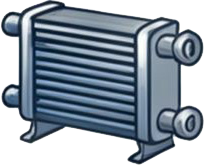
  • Fluoroplastic Steel Economizers

    Deep Heat Recovery

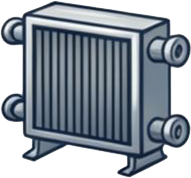
  • Fluoroplastic Steel Air Preheaters

    Condensation Recovery

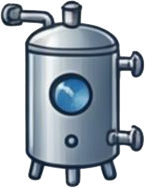
  • Fluoroplastic Steel Condensers

    Combuation Optimization

  • Fluoroplastic Steel Steam Heaters

    Industrial Heating

Looking for Reliable Heat Recovery Under Corrosive Conditions?

Discuss your flue gas composition, operating temperatures, and recovery objectives with our engineering team.

Request Engineering Consultation