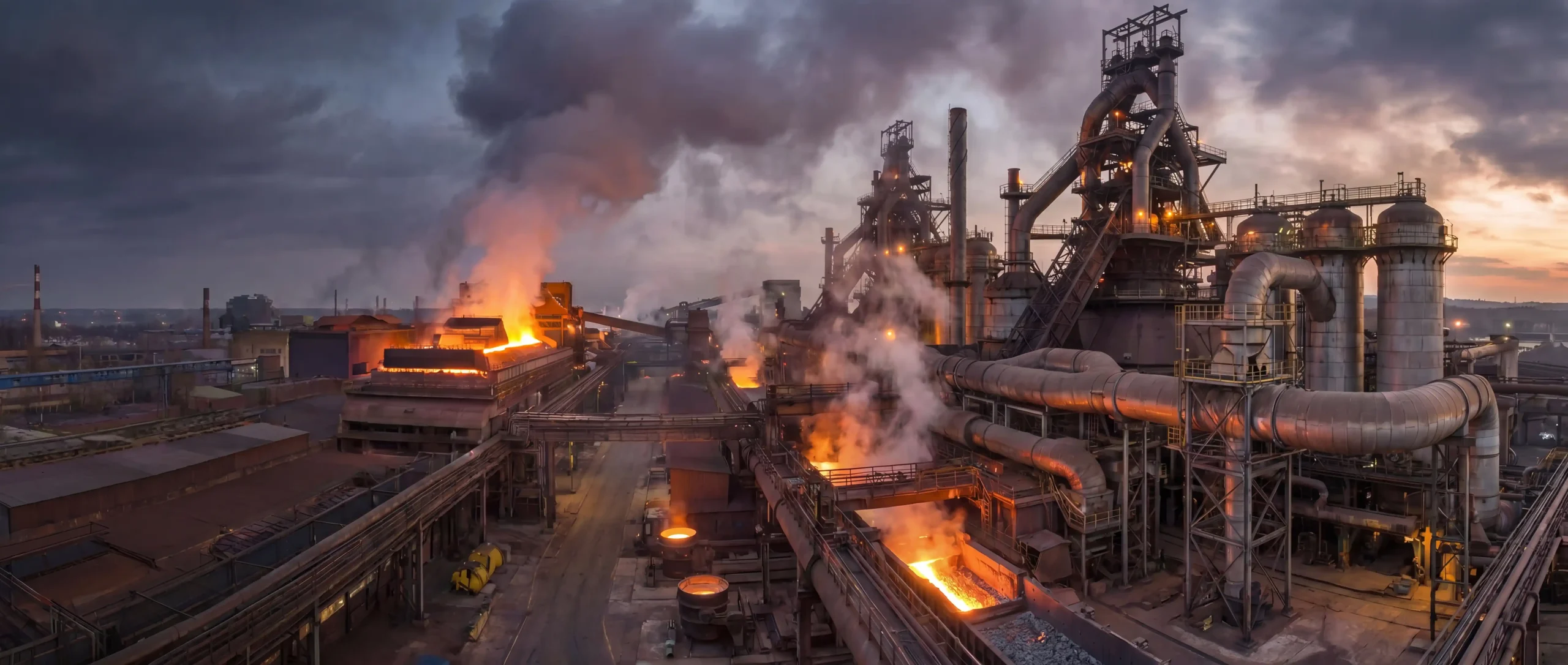
Steel mills and non-ferrous smelting facilities generate enormous volumes of low-temperature flue gas throughout sintering, coking, roasting, smelting, and utility boiler operations. These exhaust streams contain valuable recoverable thermal energy but often present severe corrosion challenges due to sulfur compounds, acidic condensate, and high-humidity conditions.
Fluoroplastic-steel systems enable deeper waste heat recovery while maintaining stable operation under demanding metallurgical environments.
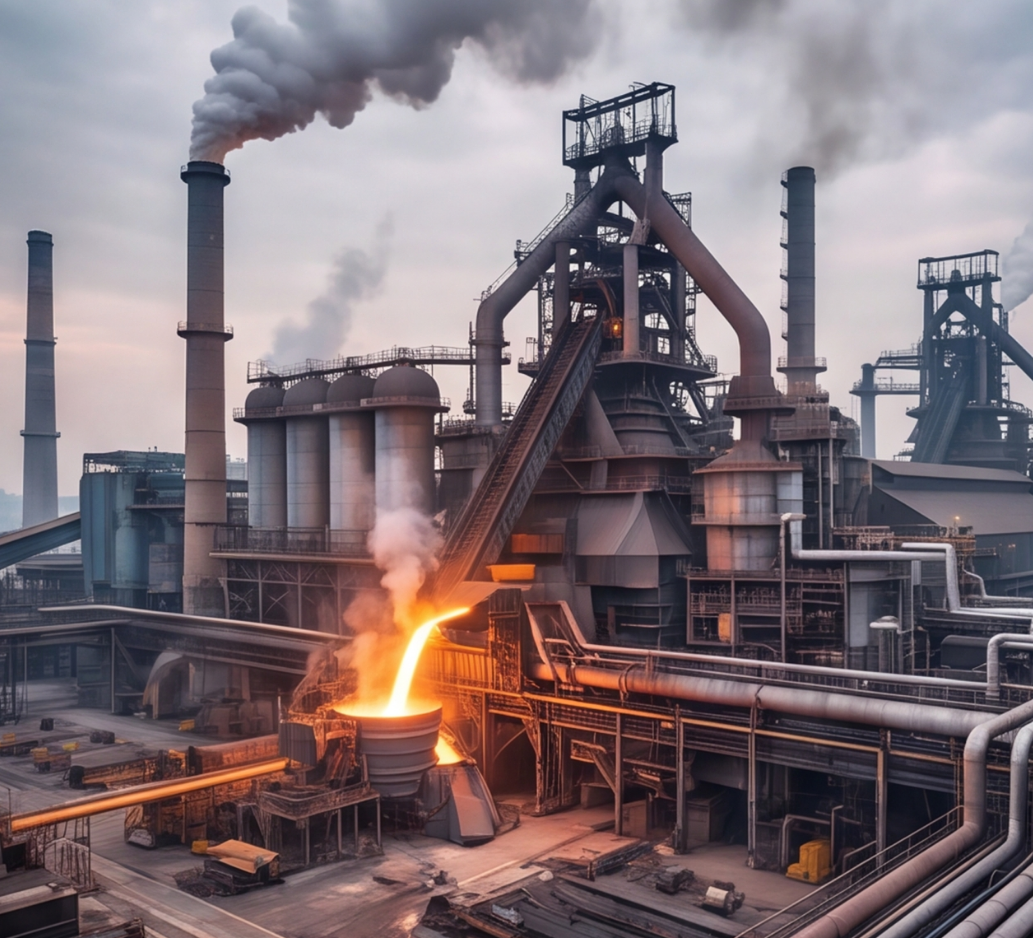
Recover thermal energy from large-volume exhaust gas streams.
Improve energy utilization under corrosive operating conditions.

Recover low-grade heat from utility and boiler systems.
Operate reliably under sulfur-rich process gas environments.
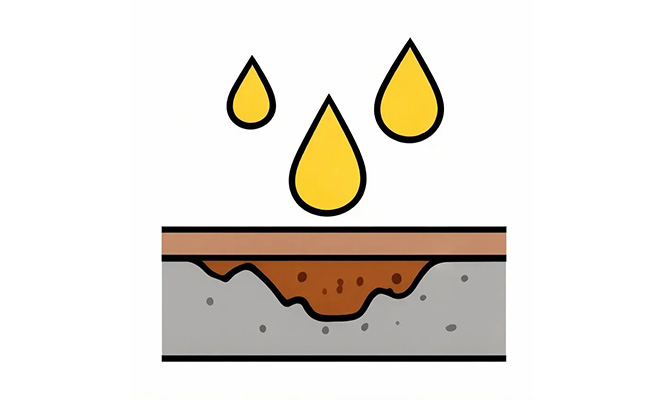
Sulfur-containing exhaust gas generates aggressive acidic condensate.
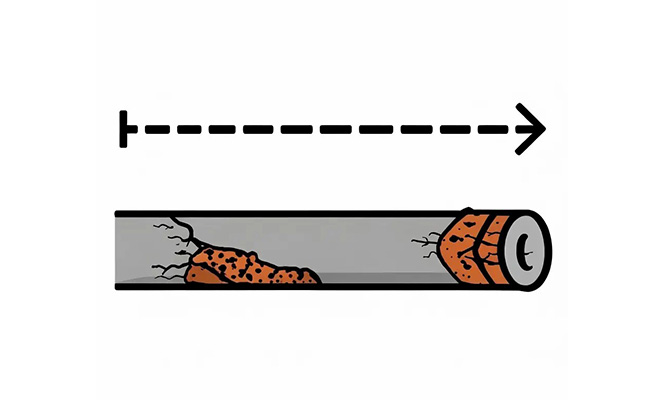
Complex flue gas conditions accelerate equipment degradation.
Significant quantities of usable thermal energy remain unrecovered.

Corrosion-related failures increase shutdown frequency and operating costs.
Deep low-temperature waste heat recovery.
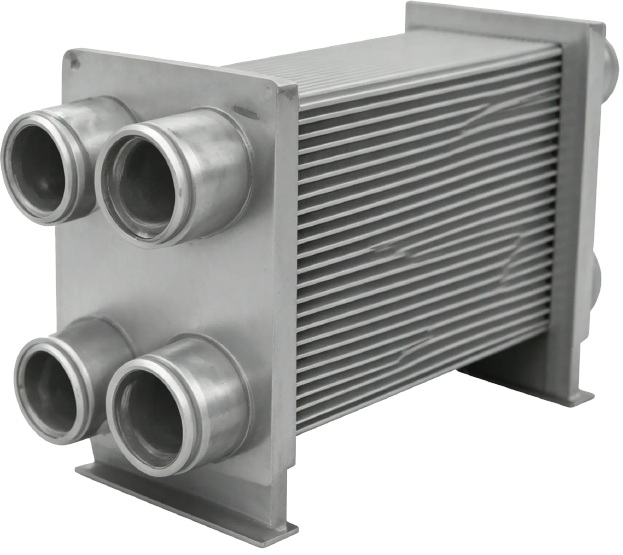
Recover latent heat from humid flue gas streams.
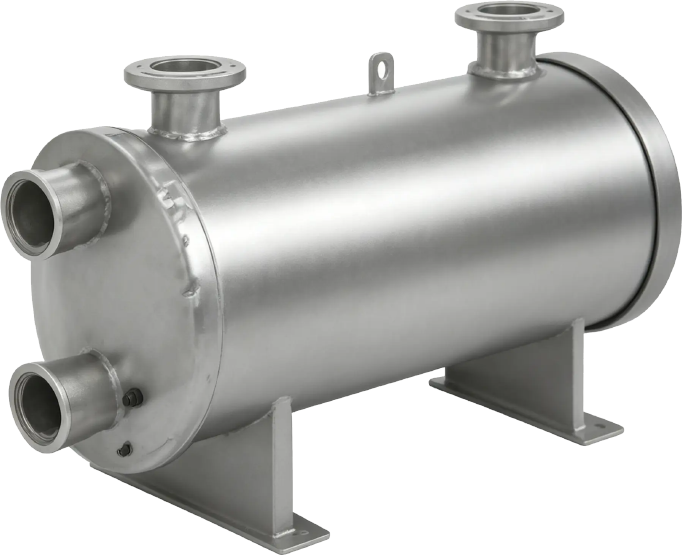
Improve combustion efficiency and thermal utilization.
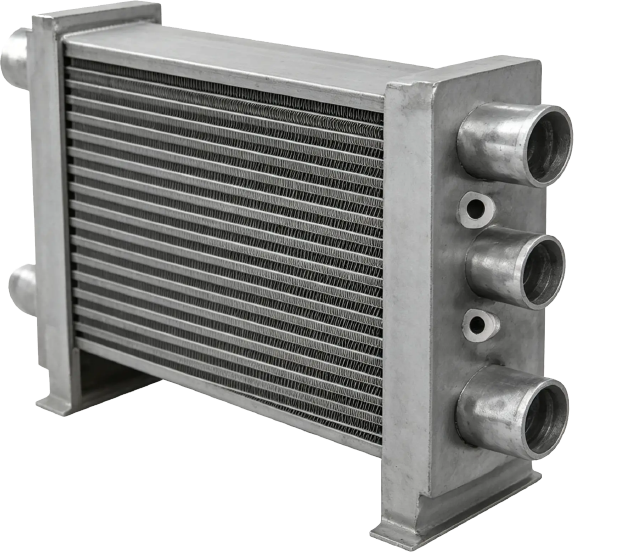
Support plant utility and heating systems.
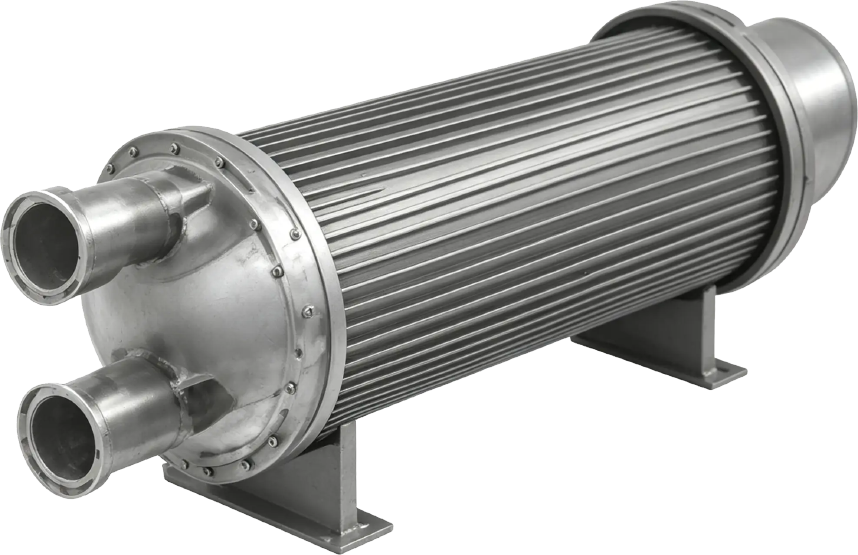

Reliable operation under sulfur-rich flue gas conditions.

Enable lower exhaust temperatures and greater thermal utilization.
Reduce replacement frequency and maintenance costs.

Maintain reliable heat transfer under demanding industrial conditions.

Recover valuable thermal energy from process exhaust streams.

Lower utility consumption through waste heat reuse.

Minimize corrosion-related shutdowns and maintenance interruptions.